Sewer Line Problems? Don’t Wait Until a Small Issue Becomes a Major Plumbing Emergency
Sewer line trouble rarely starts with a dramatic backup. More often, it begins with small warning signs: a slow drain, a toilet that gurgles after flushing, or a faint sewer odor that seems to come and go. If you ignore those clues, the problem can grow into a messy, expensive emergency that affects your entire property.
For homeowners and property managers, knowing what to look for can save time, money, and stress. In some cases, early action may mean a simple clog removal or targeted sewer and drain repair. In others, a more serious blockage may require main sewer rooter service before wastewater starts backing up into sinks, tubs, or floor drains.
This guide explains the most common warning signs, what causes sewer line problems, what you can safely try at home, and when it is time to call a professional plumber. You will also learn how routine maintenance can reduce the chance of future breakdowns and protect your plumbing system for the long term.
Why Sewer Line Problems Should Never Be Ignored
Small symptoms often point to bigger trouble
A sewer line is one of the hardest-working parts of your plumbing system. It carries wastewater away from your home every day, so even a partial blockage can create pressure, slow drainage, and odor issues throughout the house. What looks like a single clogged fixture may actually be a deeper problem in the main line.
The Environmental Protection Agency notes that household leaks and wastewater issues can waste water and cause property damage if left unresolved, which is why fast action matters. You can learn more about plumbing and water efficiency through the EPA WaterSense program. Sewer issues are not just inconvenient; they can also lead to sanitation concerns and structural damage if wastewater escapes into walls, floors, or soil.
Delays make repairs more expensive
When a sewer line begins to fail, the damage rarely stays contained. A minor obstruction can turn into recurring backups, pipe corrosion, or even root intrusion that requires excavation. The longer the problem continues, the more likely it is that multiple fixtures will be affected and the repair scope will expand.
In many homes, early intervention is the difference between a straightforward cleaning and a major restoration project. That is why it makes sense to address slow drains, recurring clogs, and sewer odors immediately instead of hoping they will go away on their own.
Common Warning Signs of Sewer Line Trouble
Multiple slow drains at the same time
One slow sink may point to a localized clog, but several slow drains at once often suggest a larger blockage in the main sewer line. If the kitchen, shower, and laundry drain all start draining poorly, the issue may be farther down the system where household cleaning products will not reach.
Homeowners sometimes try one drain cleaner after another without realizing the problem is moving deeper into the system. That can delay the real fix and expose pipes to unnecessary chemicals. Instead, it is better to identify whether the issue is isolated or affecting the entire home.
Gurgling toilets and strange drain noises
Air trapped in the plumbing system often creates unusual sounds. If a toilet bubbles when a nearby sink drains, or a tub gurgles when the washing machine empties, it may mean wastewater is struggling to move through the sewer line. Those sounds are warning signs, not normal plumbing behavior.
These noises can appear before a full backup occurs, which is why they are worth paying attention to. A professional plumber can use inspection tools to determine whether the issue is a clog, venting problem, or partial line collapse.
Persistent sewer odors indoors or outdoors
Sewer gas should never be a regular part of your indoor air. If you smell sewage around bathrooms, laundry areas, basements, or the yard near your sewer line, something may be wrong with the pipe or a connected trap or vent. Odors may indicate waste buildup, a damaged line, or a break that is letting gas escape.
Do not mask the smell with deodorizers and hope it goes away. Odor issues usually mean there is a mechanical or drainage problem that needs to be diagnosed and corrected.
Water backing up in tubs, showers, or floor drains
Backups are one of the clearest signs that your sewer line needs attention. If wastewater rises in a tub, shower, or floor drain after another fixture is used, the line may be blocked and unable to carry flow away fast enough. This is especially urgent if wastewater contains debris or sewage.
At this stage, a plumbing professional may recommend a drain cleaning service, sewer camera inspection, or a more advanced solution depending on the source of the obstruction. If you are already seeing standing water in several fixtures, do not wait for the situation to worsen.
What Usually Causes Sewer Line Blockages
Grease, debris, and everyday buildup
Kitchen waste is one of the most common causes of sewer trouble. Grease, oil, food scraps, and soap residue can coat pipe walls over time and slowly narrow the line. Even if drains seem to work fine for a while, buildup can continue to collect until a complete blockage forms.
That is why homeowners dealing with repeated kitchen drainage issues often need help with a kitchen sink clog or broader line cleaning service. In many cases, the visible clog is only part of a larger system problem.
Tree root intrusion
Roots naturally seek out moisture, and sewer pipes provide both moisture and nutrients. If there is even a tiny crack, loose joint, or aging pipe seam, tree roots can get inside and expand over time. Once roots take hold, they can trap waste, reduce flow, and cause repeated backups.
This problem is especially common in older neighborhoods with mature landscaping. Root intrusion is one of the most stubborn sewer line issues because it tends to come back if the pipe is not properly cleared and repaired.
Pipe aging, corrosion, and shifting soil
Older pipe materials can weaken with age, especially when exposed to moisture, soil movement, or ground pressure. As the line deteriorates, it may sag, crack, or misalign. Even a slight shift can change how wastewater flows and create low spots where debris collects.
Soil movement is not always dramatic. Over years, minor settling can create a condition known as a “belly” in the pipe, where waste and water pool instead of moving freely. That kind of issue often requires professional diagnosis and a long-term repair plan.
How to Tell the Difference Between a Simple Clog and a Sewer Line Problem
One fixture versus several fixtures
A single slow drain is often a localized issue. For example, a bathroom sink may simply need cleaning, or a shower may need hair removal. But when more than one fixture is affected, especially on different levels of the home, the problem may be in the sewer line rather than the individual drain.
If you are unsure, pay attention to how the problem behaves. Does the issue move from one fixture to another? Does flushing one toilet affect another drain? Those patterns often point to the main line.
How the problem changes over time
Localized clogs tend to stay relatively consistent until they are cleared. Sewer line problems often worsen in stages. You may notice drainage slowing down first, then gurgling sounds, then occasional backup, and finally full blockage during high-use periods like mornings or weekends.
That progressive pattern is a strong clue that the issue is deeper than a single drain. A professional inspection can confirm the source before the situation becomes more severe.
Why DIY fixes can be misleading
Store-bought drain cleaners may temporarily open a small obstruction, but they do not solve root intrusion, pipe collapse, or heavy buildup in the main line. In some cases, they can also damage older pipes or create safety risks if mixed with other chemicals. If the same problem keeps returning, it is time to look beyond the surface symptom.
Instead of repeatedly treating the same drain, homeowners should focus on the root cause. That approach is usually faster, safer, and more cost-effective over the long run.
What You Can Safely Check Before Calling a Plumber
Look for patterns in the backup
Before calling for service, note which fixtures are affected, when the problem started, and whether anything unusual happened recently. For example, a big gathering, heavy rain, or a surge of laundry use may have put extra strain on an already weakened sewer line. Those details help a plumber diagnose the issue faster.
Also check whether the problem is present all the time or only at certain times of day. Intermittent issues can point to a partial blockage that still allows some flow, while constant issues usually suggest a more serious obstruction.
Check for exterior clues
Walk around the yard and look for soggy patches, unusually green grass, or areas where soil seems to settle. Sewer leaks underground can sometimes surface this way. You might also notice a sewer odor outdoors or water collecting near cleanouts.
If there is a visible access point, do not open it unless you are trained and equipped to do so safely. A professional has the right tools to inspect and clear the line without exposing you to contamination.
Review recent plumbing history
If you have had repeat drain issues, prior pipe repairs, or recent fixture changes, those details matter. A recurring problem often means the underlying cause was never fully solved. In some homes, an aging pressure or drainage issue can make the entire plumbing system more vulnerable.
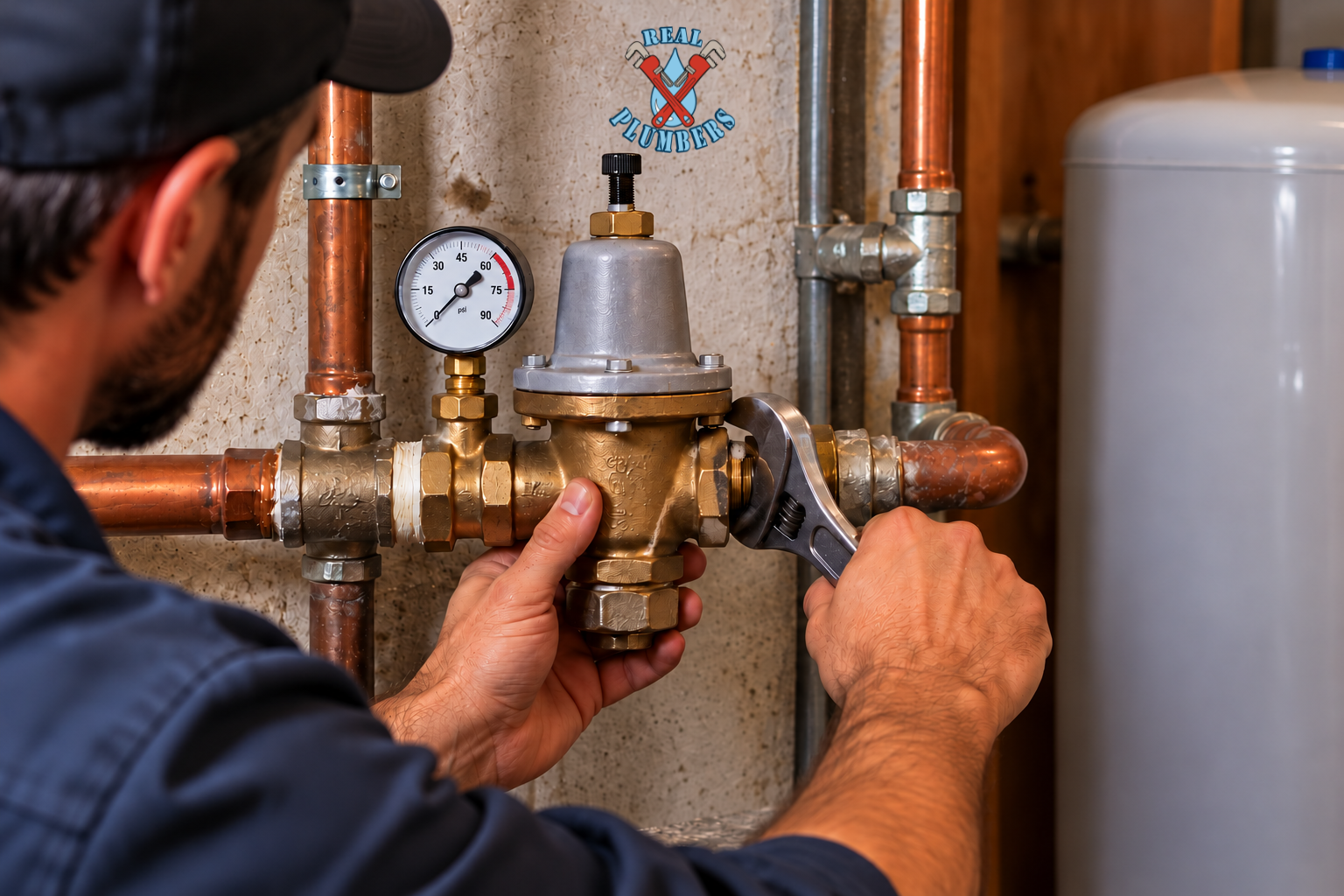
For example, if you have also noticed low flow or pressure fluctuations, you may benefit from related service such as water pressure regulator repair or a more complete evaluation of the plumbing system. Separate symptoms can sometimes be connected.
How Professional Sewer Line Repair Protects Your Home
Inspection and diagnosis
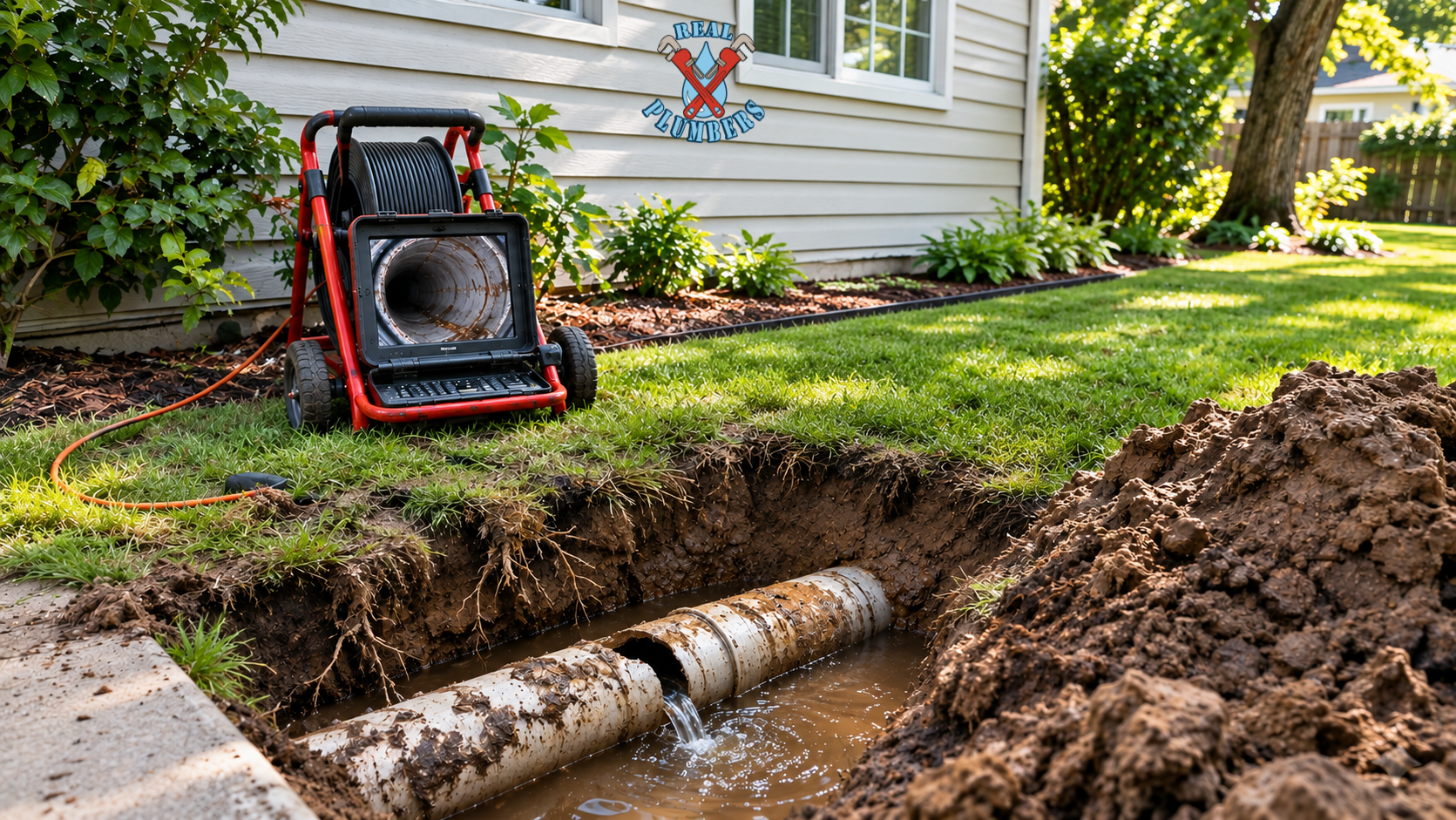
Professional sewer work usually begins with a detailed assessment. Depending on the situation, that may include a camera inspection to identify blockages, root intrusion, offsets, or cracks. The goal is to stop guessing and understand exactly what is happening inside the pipe.
Accurate diagnosis saves time and helps prevent unnecessary work. Instead of clearing the same clog repeatedly, a plumber can identify the underlying issue and recommend the right repair.
Targeted cleaning or rooter service
When a sewer line is blocked by buildup or roots, a targeted cleaning can restore flow and reduce the risk of immediate backup. In many cases, a main sewer rooter service is the right solution for clearing serious line obstructions. The method used depends on pipe condition, blockage type, and how far the issue has spread.
If the problem is limited to a damaged branch or a nearby branch line, a smaller repair may be enough. If the issue involves a major blockage or repeated failures, a more comprehensive fix may be necessary.
Repair versus replacement decisions
Not every sewer problem requires full replacement. Some lines can be restored with cleaning, spot repairs, or partial replacement. However, if the pipe is collapsed, severely corroded, or repeatedly failing, replacement may be the smarter long-term choice.
When the cost and disruption of repeated service begin to add up, replacement often delivers better value. A qualified plumber can explain the options and help you make a practical decision based on the condition of the system.
When Sewer Problems Become an Emergency
Wastewater inside the home
If sewage is coming up through toilets, tubs, showers, or floor drains, treat it as an emergency. Wastewater can spread bacteria, damage flooring, and create major cleanup needs very quickly. The sooner the system is isolated and repaired, the less damage you are likely to face.
At this point, avoid running additional water in the home if possible. A plumber can advise on next steps and help reduce the spread of the problem.
Multiple fixtures backing up at once
When several fixtures fail simultaneously, the blockage is often in the main line, not an isolated drain. That means the issue is affecting the entire home’s wastewater path. This kind of failure can escalate quickly if toilets are flushed or appliances continue to run.
In a multi-unit property or commercial setting, the impact can spread even faster. Fast response matters because the longer wastewater sits, the greater the risk of structural damage and sanitation concerns.
Health and safety risks
Raw sewage is not just unpleasant; it can also pose a health hazard. According to public health guidance from the Centers for Disease Control and Prevention, contaminated water can carry harmful organisms and should be handled with care. If sewer water has entered your home, protect your family and pets by limiting exposure and getting help quickly.
For gas-related concerns, leaks should also be taken seriously. A damaged sewer or plumbing system can sometimes coincide with other utility risks, so it is important to work with trained professionals who know how to inspect the full situation carefully.
How to Prevent Future Sewer Line Problems
Practice better drain habits
Simple habits can make a major difference. Avoid pouring grease down the kitchen sink, use drain strainers in tubs and showers, and keep wipes, hygiene products, and paper towels out of toilets. These small changes reduce the amount of material that can build up in your sewer line.
If a drain has already started to slow down, do not wait until it fully clogs. Early attention is much easier to manage than a full sewer backup.
Schedule periodic inspections
Preventive maintenance is one of the best ways to avoid surprise failures. A periodic inspection can reveal root intrusion, minor pipe damage, or buildup before it becomes severe. That is especially valuable for older homes, large families, and properties that have dealt with drainage problems in the past.
Think of inspection like routine maintenance on a car: it costs less to check for wear than to repair a breakdown after the fact. The same idea applies to sewer systems.
Address related plumbing issues early
Sometimes sewer trouble is part of a larger plumbing pattern. If you are also dealing with recurring leaks, fixture issues, or poor water flow, it may be a sign that your system needs broader attention. Professional water leak repair can help address hidden moisture problems that may otherwise go unnoticed.
Likewise, if your drains are slow in specific fixtures, targeted services such as clogged up drains or shower clog repair can help stop small problems from feeding into a larger line issue.
Frequently Asked Questions About Sewer Line Problems
How do I know if my sewer line is clogged?
Common signs include multiple slow drains, gurgling toilets, sewage odors, and backups in tubs or floor drains. If more than one fixture is affected, the problem may be in the main sewer line rather than a single drain. A professional inspection is the best way to confirm the source.
Can I fix a sewer line problem myself?
Minor drain clogs may be manageable with basic tools, but main line problems usually require specialized equipment and training. Sewer work can also expose you to contamination and pipe damage if handled incorrectly. If the issue keeps returning or affects several fixtures, call a plumber.
Will a sewer camera inspection help?
Yes. A camera inspection can show the exact condition of the line, including root intrusion, cracks, offsets, and buildup. That information makes it easier to decide whether cleaning, repair, or replacement is the best solution.
How quickly should I act?
As soon as you notice recurring signs. Waiting often allows the blockage to grow and increases the chance of a full backup. Early action is usually less expensive and far less disruptive than emergency cleanup.
Final Thoughts: Act Early and Protect Your Property
Sewer line problems rarely get better on their own. The warning signs may be small at first, but they often point to a deeper issue that can spread through your plumbing system and affect your home’s comfort, safety, and value. If you notice slow drains, strange noises, sewer odors, or recurring backups, it is time to take the problem seriously.
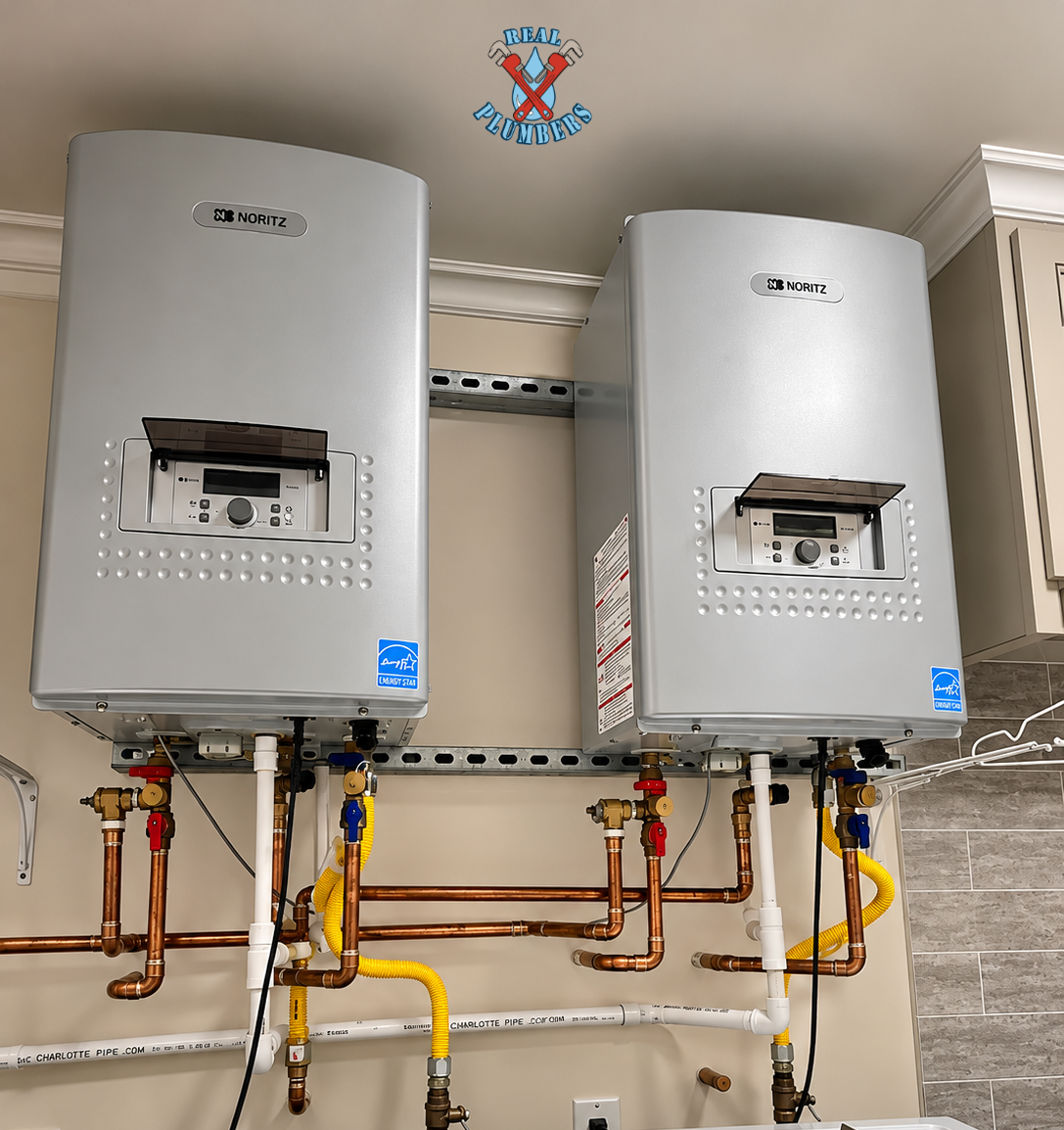
With prompt diagnosis and the right solution, many sewer issues can be resolved before they become a major emergency. Whether you need help with a stubborn clog, a blocked main line, or a broader plumbing concern, professional service can save you from bigger damage later. If you suspect sewer trouble, contact Real Plumbers for expert help and dependable service. For homes dealing with recurring drainage issues, it may also be the right time to explore broader solutions such as water heater repair or sewer and drain repair if your plumbing system needs a full checkup.