Expert Guide: What to Do If You Smell Gas in Your Home
If you ever catch a whiff of gas in your home, don’t ignore it. Even a slight hint could mean a serious issue that needs fast action. The best move? Turn off the source if it’s safe, get out of there, and call a pro like a plumber or gas specialist.
This guide covers what gas smells like, why you might notice it, what to do right away, and how to avoid future problems. Got issues with gas lines or appliances? Real Plumbers can help with repairs and safety services. For added peace of mind, consider a gas earthquake valve to protect your home.
For more safety tips, check out recommendations from the U.S. Consumer Product Safety Commission and the National Fire Protection Association. Being prepared can help you stay calm and act fast.
Why You Might Smell Gas Indoors
Natural Gas Has a Distinct Odor for Safety
Natural gas is usually mixed with a sulfur-like smell that’s similar to rotten eggs. It’s added on purpose to help you notice a leak before it becomes dangerous. Some people pick up the scent right away, while others might only notice it in certain parts of their home. Airflow and where a leak is can affect how you smell it. If it’s stronger near an appliance like your stove or water heater, that’s a clue worth mentioning to a professional.
Common Reasons for Gas Odors
Several things can cause a gas smell. It might be a loose connection, a cracked connector, or a faulty valve. Sometimes, it’s not the line but an appliance not burning gas right, which can smell like a leak. Small issues can become big problems, so if your stove isn’t lighting properly or your water heater smells off, don’t ignore it.
What To Do Right Away If You Smell Gas
Stay Calm and Avoid Ignition Sources
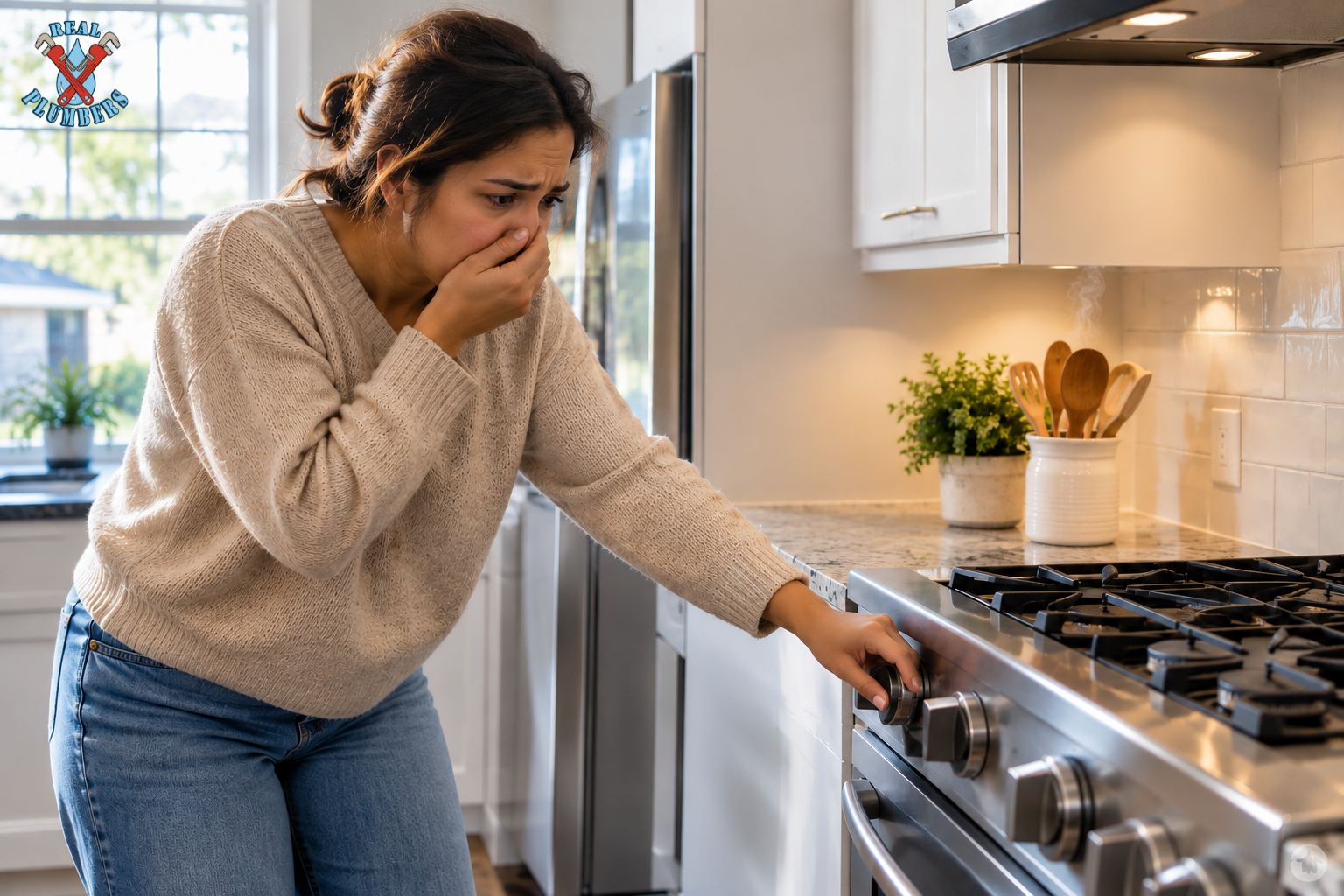
First, stay calm. Don’t turn lights on or off, don’t use matches, and avoid using switches or electronics. Even a little spark can be dangerous if there’s gas in the air. If the smell is mild and you can safely tell it’s from one appliance, you might turn it off. But if it’s strong or spreading, skip the troubleshooting and get out. Safety first.
Leave the Home for Fresh Air
If the smell is strong or you’re unsure, leave immediately. Get everyone, including pets, outside for fresh air and keep a safe distance from the building. Don’t go back in until a professional clears it. If you have neighbors, let them know if it’s safe to do so, especially in shared or multifamily buildings. Quick alerts can prevent larger emergencies.
Call Emergency Services or Your Gas Utility
Once outside, call your gas utility’s emergency line or local services. Many companies have crews ready 24/7 to test and shut off gas if needed. Not sure who to call? Your local utility or fire department can point you in the right direction. Don’t re-enter until it’s safe. Even if the smell fades, gas can linger in walls or crawl spaces. A pro can confirm it’s safe.
Signs That Gas Might Be Leaking
Odor Isn’t the Only Warning
The smell is a big sign, but not the only one. Listen for hissing or whistling near pipes, check for dead plants near outdoor lines, and watch for unexplained dizziness indoors. If several signs show up, treat it seriously.
Appliance behavior can also be telling. A burner that clicks but doesn’t light, a pilot light that keeps going out, or odd water heater behavior could signal gas supply issues. Get these checked by a professional instead of guessing.
Physical Symptoms Matter Too
Gas exposure can cause headaches, dizziness, nausea, and trouble focusing. These symptoms can have other causes, but paired with a gas smell, they’re important. If multiple people feel unwell at once, get out and seek help if symptoms are severe. Carbon monoxide is another risk with gas appliances. It’s invisible and odorless but dangerous. The CDC has helpful info on carbon monoxide risks and prevention.
What You Should Never Do
Don’t Inspect Hidden Gas Lines Yourself
It’s tempting to search for the smell source by checking walls or appliances, but that can make things worse, especially if you cause a spark. Gas leaks aren’t for DIY fixes.
Even if you’re handy, gas work needs specific knowledge and tools. Mistakes can lead to fires or explosions. Let professionals handle it.
Don’t Use Open Flames to Test for Leaks
Some old advice suggests using a lighter to find gas. Don’t. Open flames are extremely dangerous around gas. Professionals have safer, more accurate detection methods.
Avoid using appliances until they’re checked. Turning on a range or water heater before confirming safety can worsen the situation. When unsure, keep everything off and wait for a pro.
How Professionals Find the Source of the Problem
Visual Inspection and Safety Testing
When a professional arrives, they’ll usually start with a visual inspection of gas lines, appliances, and valves. They may test the air for gas and look for wear or loose fittings to see if the problem is localized or widespread.
They might inspect appliances one by one. Each can show different signs, and each needs context. For suspected line issues, advanced tools help pinpoint without home damage.
Advanced Diagnostics for Hidden Problems
Not all leaks are visible. Some hide behind walls or under slabs, needing accurate diagnostics. Professionals use detection tools, pressure tests, and system isolation techniques to find the issue.
If it’s more than a single fitting, targeted repair or replacement might be next. Sometimes, homeowners address related plumbing issues like water pressure problems or leaks during maintenance.
Gas Smell vs. Other Household Odors
Don’t Confuse Gas with Sewer or Appliance Odors
Not all bad smells are gas. Sewer gas, electrical odors, and appliance exhaust can be confused with gas, especially if faint. Still, don't assume it’s harmless if uncertain.
Sewer odors smell like waste or stagnant water, while electrical ones might smell like hot plastic. Gas smells sharper, like sulfur. If unsure, leave and call for help.
Appliances Can Create Misleading Symptoms
Gas appliances can smell during startup or shutdown. A venting furnace might smell even without a leak. A water heater giving off smells needs attention.
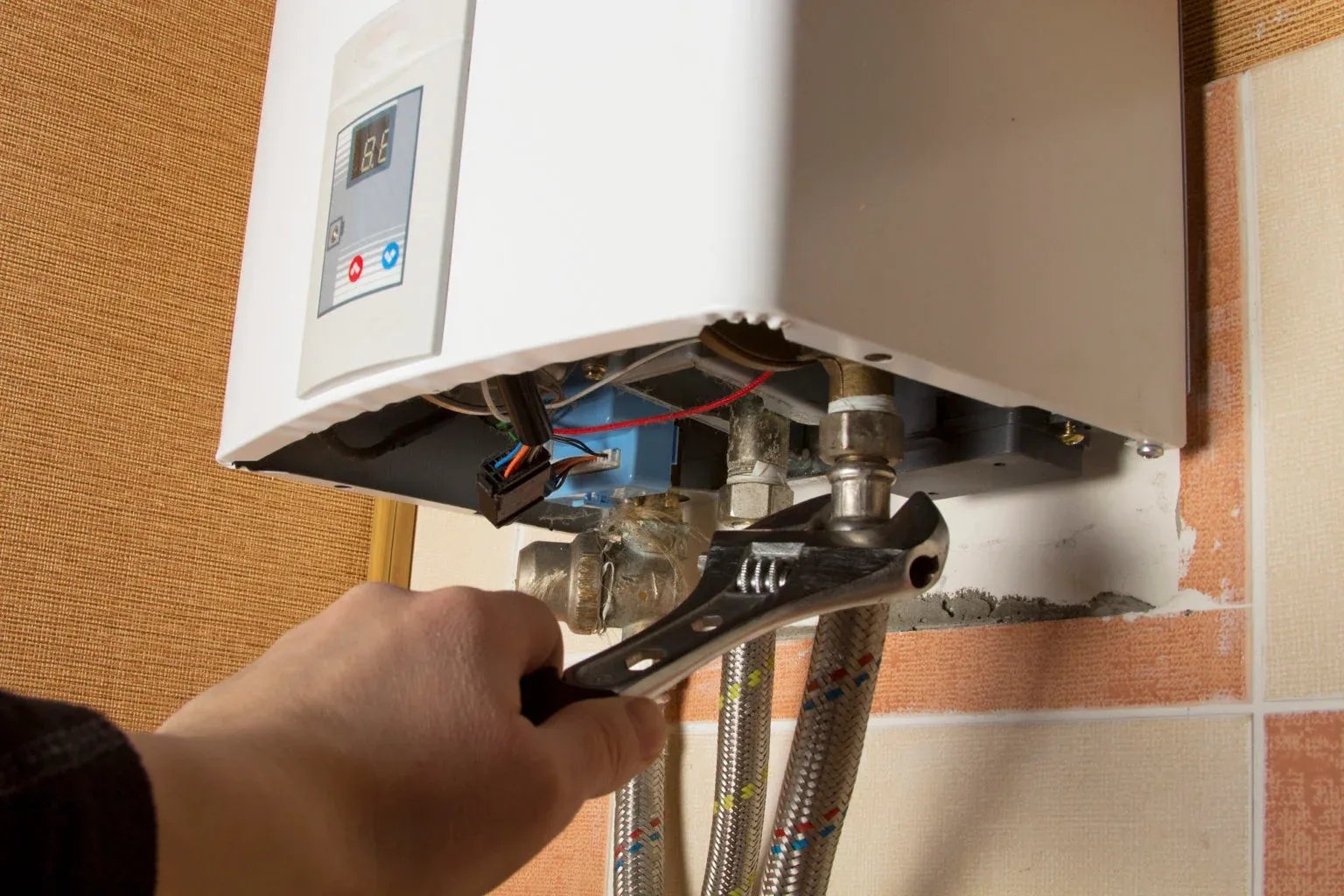
If your hot water system is involved, check if it needs a separate fix. Real Plumbers offers water heater solutions to restore safe operation when needed.
How to Reduce the Risk of Future Gas Problems
Schedule Routine Inspections and Maintenance
Regular checks can catch loose connectors, corrosion, or appliance wear before they become emergencies. This is crucial in older homes or those with many gas appliances.
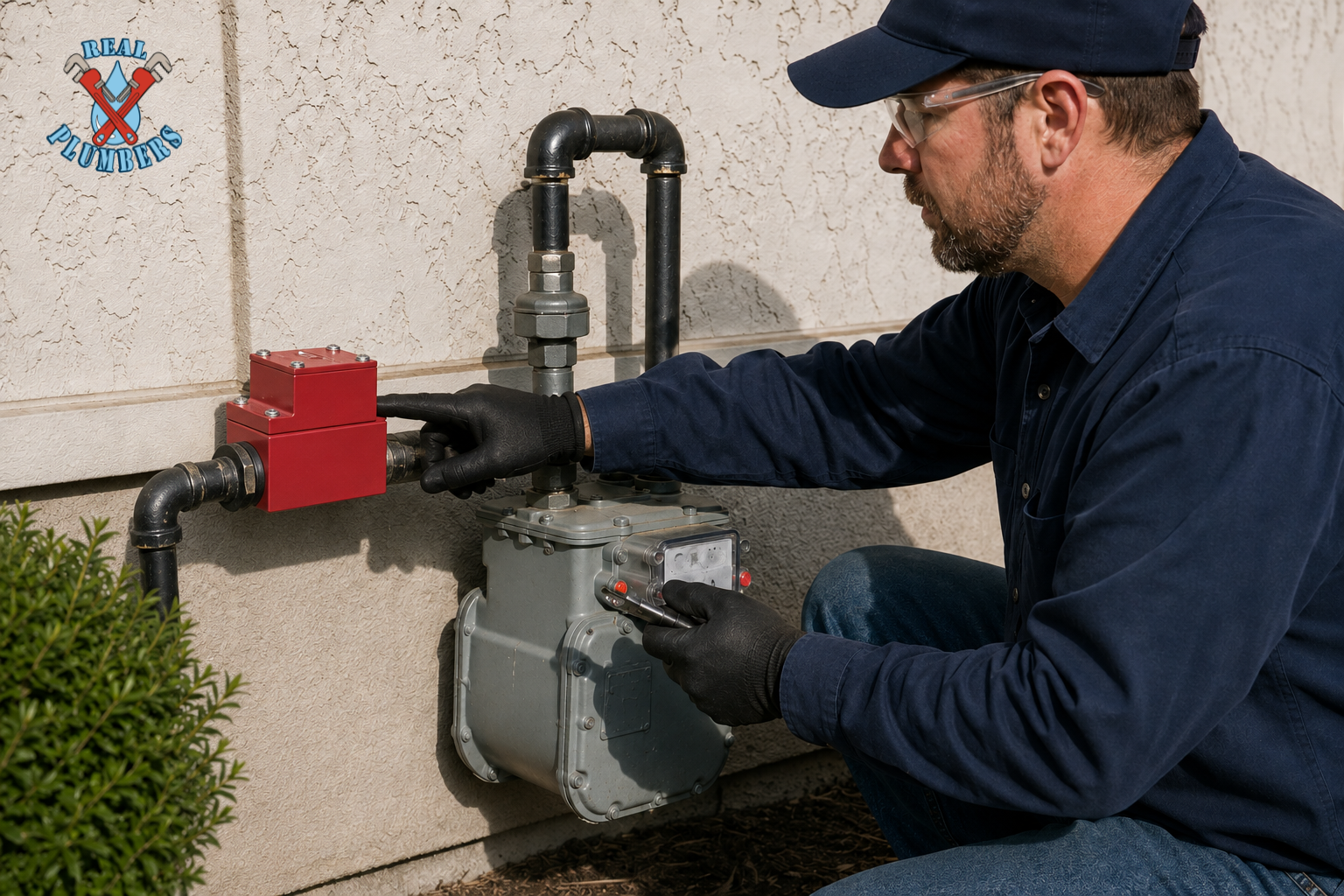
Inspections are vital if you’re in a seismic area. Earthquake movements can stress connections. For extra safety, consider a gas earthquake valve.
Keep Appliances in Good Working Order
Dust, debris, and worn parts can cause unsafe operation. Keep areas around appliances clear and have faulty equipment serviced promptly.
Frequent clogs or drainage issues might signal broader problems. Pair gas checks with drain or sewer repair if needed.
What Homeowners in Los Angeles Should Know
Older Buildings May Need Closer Attention
In Los Angeles, many homes mix new appliances with old infrastructure. This can hide weak points, so treat gas smells as inspection prompts, not minor hassles.
For property managers, quick action is key since safety issues affect multiple occupants. Inspections and communication reduce disruption and protect everyone.
Know When Replacement Is the Smarter Choice
Sometimes repairs aren’t enough. Older or failing equipment might need replacing. If problems keep returning, replacement is often the better long-term solution.
Consider replacing if systems are beyond their lifespan. Options like water heater replacement can eliminate recurring issues and improve reliability.
Frequently Asked Questions About Gas Smells in the Home
Does a Faint Smell Mean I Can Wait and See?
No. Even a faint gas smell needs attention, especially if new or persistent. While not every odor means a leak, don’t ignore it or hope it goes away.
Is It Safe to Open Windows?
If you can quickly and safely, without creating a spark, open windows to ventilate. But ventilation isn’t a substitute for evacuation and help. Leave first if the smell is strong or you’re unsure.
Who Should I Call First?
If the smell is strong or symptoms arise, call emergency services or your gas utility from outside. After immediate danger, a plumber or gas pro can inspect. If plumbing-related, Real Plumbers can help.
When to Call Real Plumbers
Fast Response Matters
If you smell gas and need help figuring out the issue, quick support is key. Real Plumbers offers honest service and clear communication across Southern California. We aim to protect your home while minimizing disruption.
Gas issues often come with other plumbing problems, like low flow or water damage. Our team handles various repairs, from faucet repair to shower valve repair, to tackle related problems early.
Get the Right Help Before a Small Issue Becomes an Emergency
Gas odors aren’t routine maintenance. If unsure where the smell is coming from, or if you want a pro to inspect after an alarm or suspicious odor, contact a technician right away. The sooner it’s identified, the safer your home will be.
Real Plumbers serves Los Angeles with plumbing solutions focused on safety, accuracy, and long-term value. Need support? Call (323) 821-7922 or visit https://realplumbersinc.com for more about our services and getting help when it matters.
Final Safety Checklist
- Don’t ignore a gas smell, even if faint.
- Avoid turning on lights, appliances, or electronics if suspecting a leak.
- Leave if the odor is strong or people feel unwell.
- Call emergency services or your gas utility from a safe place.
- Wait for professional clearance before re-entering the home.
- Schedule an inspection if the problem persists or is unexplained.
In gas safety, quick action saves time, money, and lives. Trust your instincts, prioritize safety, and get help immediately if you smell gas. For reliable service and problem-solving, Real Plumbers is here when you need a pro.