Professional Kitchen Sink Drain Cleaning in Los Angeles: Fix Slow Drains Before They Turn Into Clogs
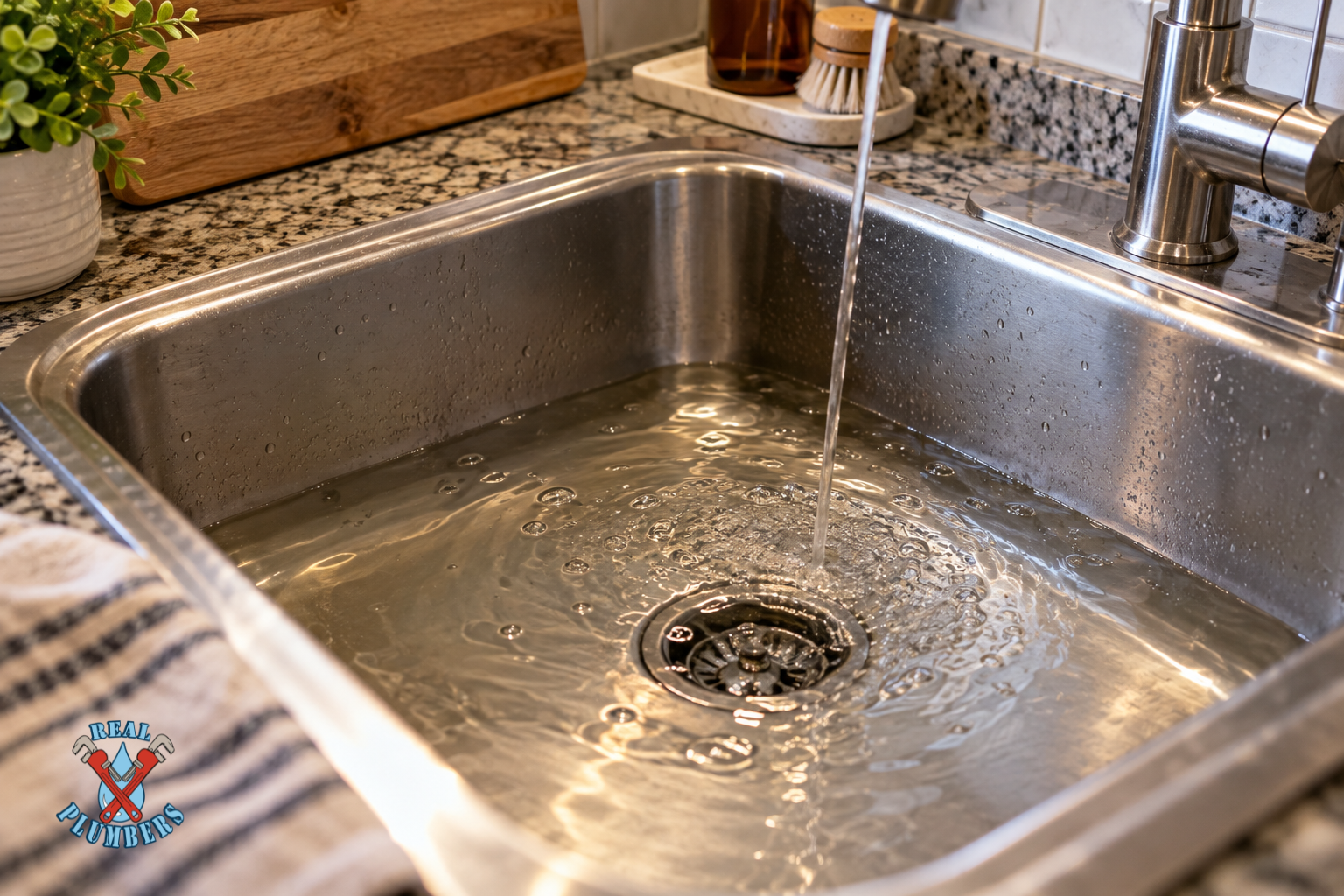
Dealing with a kitchen sink that doesn’t drain properly is more than just a little nuisance. It usually hints at something bigger happening, like grease, food bits, or soap building up in your pipes. Catch the problem early, and you can often avoid a full-blown clog, nasty smells, and water backing up when you least expect it. If your sink is already giving you trouble, our kitchen sink clog service can help you out before things get worse.
Sometimes, slow drainage means there’s more going on elsewhere in your plumbing. It could be just your sink, or it might signal a bigger issue with your main drain or sewer. So, it’s worth knowing the signs and acting fast. If multiple fixtures are giving you grief, you might need more extensive help, like clogged drains or a detailed inspection. As the EPA notes, improper disposal habits can lead to household plumbing problems, especially in kitchens where grease and solids are regular guests.
This guide will walk you through what usually causes a kitchen sink to slow down, what you can safely try at home, when to call it quits on DIY fixes, and how to keep clogs at bay in the future. If you’re part of a bustling household and need dependable plumbing support, Real Plumbers offers practical repair and drain cleaning with honest advice and tidy work.
Why a Slow Kitchen Sink Should Never Be Ignored
Slow drainage is usually the earliest warning sign
Most serious clogs don’t just pop up overnight. They start with a slight slowdown when you’re washing dishes or draining pasta, then gradually worsen until your sink takes forever to empty. That’s your cue that something’s building up in the pipes. The quicker you address it, the simpler the fix.
If water hangs around in the sink, it changes the pressure in the pipes and gives debris more time to settle. Over time, this residue hardens, especially when grease cools and mixes with food particles. What’s a small inconvenience today can quickly turn into a full-blown clog, and if it gets bad enough, it might create a bigger plumbing headache.
Small clogs can become bigger household problems.
A slow sink can mess up your cooking routine, cleaning schedule, and overall kitchen hygiene. Food bits and dirty water sitting around can create odors and attract bacteria. In a busy kitchen, even a partial clog can quickly become a daily hassle.
Moreover, slow drainage can hint at issues beyond the kitchen. If the problem worsens after running the dishwasher, using another sink, or flushing a nearby fixture, the blockage might be farther down the line. In these cases, a more comprehensive solution, like sewer and drain repair, might be necessary.
Common Causes of a Slow Kitchen Sink Drain
Grease and cooking oils
Grease is a frequent culprit in kitchen drain clogs. Even if it’s liquid when it goes down, it cools and solidifies inside the pipes, sticking to the walls. Over time, this narrows the pipe and traps other debris. That’s why kitchen clogs often come back even after a quick fix.
The National Kitchen and Bath Association and other plumbing pros often warn against pouring fats and oils down the sink because they harden and build up. For more on keeping your kitchen safe and clean, the CDC offers handy household hygiene tips. Keeping grease out of the sink is one of the simplest ways to protect your pipes.
Food particles, starches, and fibrous scraps
Even with a garbage disposal, some foods shouldn’t go down the drain. Rice, pasta, potato peels, celery, onion skins, coffee grounds, and eggshells can all cause clogs. Some expand when wet, while others create a sticky layer that catches more waste.
Fibrous veggies can wrap around disposal blades and slow them down, leaving solids large enough to settle in the pipes. If your disposal sounds strained, grinds poorly, or leaks, it might be time for garbage disposal repair before your sink drain gets completely blocked.
Soap scum and mineral buildup
Dish soap, especially in homes with hard water, can mix with minerals and food residues to form a dense coating inside the drain. This buildup isn’t as obvious as a grease clog since it develops gradually, but it can still significantly reduce water flow. In older homes, rough pipe interiors make it easier for debris to cling and harden.
Mineral scale can also get worse over time if the plumbing system has pressure or water quality issues. If you notice weak flow elsewhere in the house, it might be worth checking if a faulty pressure component is causing broader problems. Sometimes, a professional evaluation of water pressure regulator repair might help balance the plumbing system.
What You Can Safely Try Before Calling a Plumber
Flush with hot water, not boiling water.
One of the easiest steps is to run hot tap water for a few minutes and see if the flow improves. Warm water can help loosen light grease films and push minor debris through the pipes. But avoid boiling water, especially with PVC piping or fixtures that might have sensitive components.
If the sink improves briefly but slows again soon, the problem is likely deeper than a simple surface buildup. That pattern usually means there’s more accumulation in the pipe. A temporary improvement should be seen as a clue, not a final fix.
Clean the sink trap carefully
The P-trap under the sink is one of the first places debris collects. If you’re comfortable with basic home maintenance, place a bucket underneath, loosen the trap, and check for sludge or trapped food. Clean the parts thoroughly, put them back correctly, and test for leaks afterward.
That said, many folks aren’t comfortable taking plumbing parts apart, and mistakes can lead to leaks or damaged seals. If you’re unsure, it’s better to stop before creating a bigger problem. A licensed plumber can inspect the trap, branch line, and fixtures to see if the clog is isolated or part of a larger issue.
Use a plunger the right way
A cup-style plunger can sometimes move a partial clog, especially if it’s close to the sink opening. Fill the sink enough to cover the plunger’s cup, create a tight seal, and use firm, repeated pushes. If the sink has a second basin, block the other drain opening so the pressure goes where you need it.
If plunging doesn’t change anything after several tries, stop. Repeated force can sometimes push debris deeper or stress weak connections. At that point, professional drain clearing is often the more effective and safer choice.
When a Slow Drain Means You Need Professional Help
Recurring clogs are a sign of a deeper issue.
If the same sink keeps slowing down after temporary fixes, the line likely has a buildup that can’t be removed with basic home methods. This is common when grease has layered over time or when the line has an internal shape problem, like a sag or root intrusion. A recurring issue should be treated as a plumbing symptom, not just a single clogged fixture.
For kitchen sinks that repeatedly back up, a targeted drain cleaning service can often restore normal function more thoroughly than DIY methods. In some homes, the best solution is a focused kitchen sink clog clearing, while in others, the root cause may require broader line repair or rooter service.
Multiple fixtures slowing down together
If your kitchen sink slows down along with a nearby shower, bathroom sink, or laundry drain, the restriction might be in the main drain line. That’s especially true if you hear gurgling sounds, smell sewer odors, or notice water rising in one fixture when another is used. These symptoms indicate that pressure and flow are being affected beyond a single sink.
When multiple fixtures are involved, a complete diagnosis is necessary. Services like main sewer rooter service can clear tougher blockages and help determine whether the issue is in the branch line or the main sewer connection.
Backups, odors, and repeated overflows
Water backing up into the sink bowl, bad odors from the drain, or overflow near the cabinet are all signs that the blockage is becoming more serious. These conditions can create water damage under the sink and may lead to cabinet swelling, mold growth, or plumbing leaks if ignored. The longer the backup continues, the more expensive the cleanup can become.
If you already have standing water or leakage around the fixture, don’t wait for the sink to stop entirely. Addressing the issue early is usually faster, cleaner, and more affordable than waiting until the line is fully blocked.
How Plumbers Diagnose a Sluggish Kitchen Drain
Visual inspection and fixture testing
A professional plumber starts by checking the sink, trap, disposal, supply lines, and nearby fixtures to see if the issue is isolated or system-wide. This often reveals clues that homeowners can’t easily spot, like slow drain movement caused by improper slope, old fittings, or a partial obstruction deeper in the line. A careful inspection also helps identify signs of previous water damage or hidden leaks.
In some cases, a sink issue is tied to fixture performance rather than the drain alone. If the faucet is leaking, weak, or poorly delivering water, that can complicate the diagnosis and cleanup. For those situations, faucet repair may be part of the larger solution.
Drain clearing tools and line cleaning methods
Depending on the severity and location of the clog, a plumber may use augers, professional drain snakes, or hydro-jetting equipment. The right method depends on whether the blockage is soft grease, hardened scale, fibrous food waste, or a more serious obstruction farther down the pipe. Professional tools are designed to clear buildup without damaging the plumbing system.
For a clog tied to the sewer line, the solution may need to go beyond the sink itself. In those cases, the goal is not just to get water moving again, but to restore reliable drainage throughout the home. This is why professional diagnosis matters before the problem escalates.
Video inspection for recurring problems
When drain clogs keep coming back, a camera inspection can help identify the real cause. Video equipment can reveal root intrusion, pipe corrosion, belly dips, or offsets that trap waste and cause repeated slowdowns. Instead of guessing, the plumber can see the condition of the line and recommend the correct fix.
This kind of inspection is especially helpful in older homes where pipes may have years of buildup or previous repairs. It also helps homeowners make informed choices about repair versus replacement, reducing the chance of paying for short-term fixes that don’t last.
Why Prevention Is Better Than Emergency Repair
Use the sink differently to reduce buildup.
Daily habits make a major difference. Wipe greasy pans into the trash before rinsing them, scrape plates into the garbage or compost, and avoid putting fibrous food waste into the sink. Running cold water while using a garbage disposal can help move waste through more effectively, but the disposal should not be treated as a substitute for smart kitchen habits.
It also helps to periodically clean the drain opening and disposal area to prevent slime and residue from collecting. A little routine attention can add up to fewer clogs and longer plumbing life.
Schedule maintenance before the line gets worse
If your kitchen sink has slowed more than once, preventative maintenance may save you time and stress later. Professional drain cleaning can remove buildup before it hardens into a full blockage. That is often the difference between a simple service call and an emergency backup.
For homes that already have multiple plumbing concerns, maintenance can be paired with other repairs to restore overall system performance. If you are also seeing pressure fluctuations, temperature changes, or noisy plumbing, broader service may be worth discussing with a plumber. In some homes, this might include water pressure replacement or related system repairs.
Know when to replace aging fixtures
Sometimes the problem is not only the drain line but also an outdated fixture setup that traps debris more easily. Old sinks, worn disposal units, corroded traps, and poorly designed piping can contribute to repeated issues. When repairs keep piling up, replacement may be the more cost-effective long-term choice.
For homes with older or unreliable plumbing components, replacement can improve everyday use and reduce future maintenance calls. The goal is not just to fix a clog once, but to create a more reliable kitchen plumbing setup overall.
Warning Signs You Should Act Immediately
Water rising in the sink or dishwasher.
If water rises quickly when you run the faucet or starts backing into the dishwasher, the clog is likely significant. That kind of behavior means drainage is restricted enough that water has nowhere to go. Continuing to use the sink can cause overflow and water damage under cabinets or onto the floor.
This is the point where waiting is no longer a smart option. A fast response can prevent a smaller drain problem from becoming a cleanup project involving soaked cabinets and damaged flooring.
Gurgling sounds and sewer odors
Gurgling usually means air is trapped in the line because water cannot move normally. Bad smells, especially those with a sewer-like quality, can indicate waste buildup or venting issues. These symptoms should be checked quickly because they can point to blockages deeper in the plumbing system.
If the odor becomes strong or you suspect a gas-related issue near plumbing appliances, follow safety guidance first. For gas concerns, review official procedures from trusted sources like the U.S. Consumer Product Safety Commission (CPSC) and call for immediate help if needed.
Leaks under the sink cabinet
Sometimes a slow drain leads to hidden leaks because repeated backups put extra strain on traps, seals, and fittings. Moisture under the cabinet can damage wood, create mold-friendly conditions, and signal that the system is under stress. Even a small drip should be inspected if it happens alongside slow drainage.
Do not ignore dark spots, damp odors, or warped cabinet flooring. These can be the first signs that a drain issue is affecting the surrounding structure.
Frequently Asked Questions About Slow Kitchen Sinks
Can I use baking soda and vinegar?
Baking soda and vinegar may help with light odor control or very mild buildup, but they are not a dependable solution for a real clog. The reaction is mostly fizzing, which may not have enough force to remove hardened grease or food debris. It is fine as a mild maintenance step, but not as a serious clog remedy.
If you need a long-term fix, professional drain cleaning is usually more effective than relying on home chemistry.
Should I keep running water if the sink drains slowly?
Running water can help move a minor slowdown, but if the basin fills faster than it empties, stop before it overflows. You do not want to force more water into a line that is already struggling. That can cause a bigger mess and increase the chance of cabinet damage.
If the sink is clearly getting worse, avoid continued use and have the line checked promptly.
How do I know if it is the sink or the sewer line?
If only the kitchen sink is affected, the problem is likely local to the trap or branch line. If several fixtures are acting up, especially on the same floor, the issue may be in the main drain or sewer line. Gurgling, odors, and multiple backups are the strongest clues that the problem is bigger than the sink itself.
A professional inspection is the quickest way to identify the difference and prevent unnecessary repairs.
Call Real Plumbers Before the Sink Stops Completely
A slow kitchen sink is your early warning system. It is telling you that buildup is already happening and that a full clog may not be far behind. Acting now can save you from overflow, odors, water damage, and a major interruption to your kitchen routine.
Real Plumbers helps homeowners and businesses across Southern California handle kitchen drain issues with practical solutions and straightforward service. Whether you need a focused drain clearing, a broader line repair, or help identifying the source of recurring backup, our team is ready to help. If your kitchen drain is slowing down, call (323) 821-7922 or visit Real Plumbers to schedule service before the problem gets worse.
For more helpful information, you may also want to read our related guides on why you should not ignore a slow drain and how to tackle drain clogs before they spread. The sooner you respond, the easier it is to restore normal flow and keep your kitchen working the way it should.